

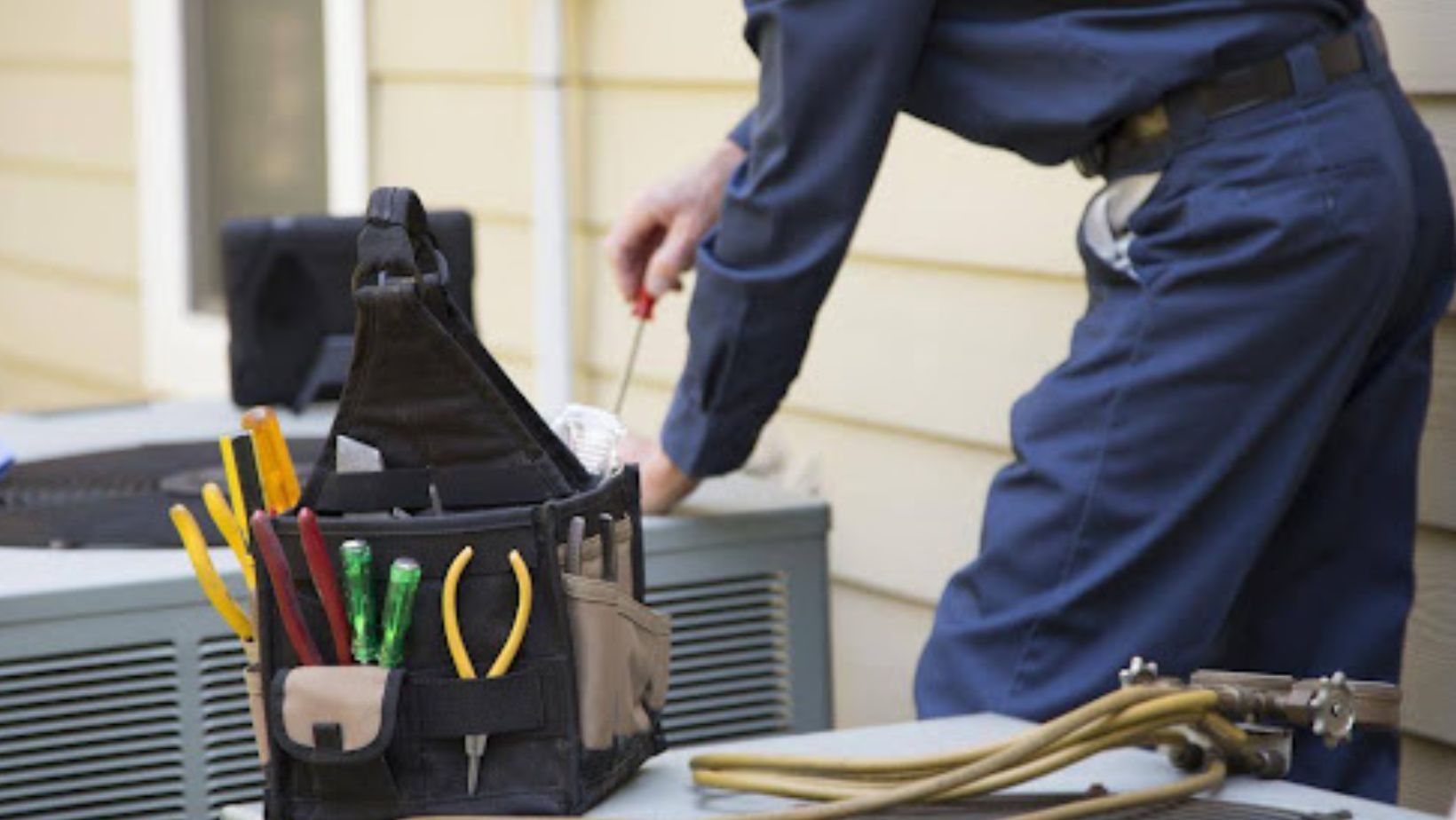
Why Homeowners Trust Horizon Plumbing and Heating for Year-Round Comfort in Calgary
Quick Answer
Homeowners place their trust in proven plumbing and heating professionals because they receive dependable service around the clock, technicians who arrive quickly during emergencies, honest upfront pricing, and expert work that keeps furnaces, boilers, and water heaters running all year round efficiently. When a company consistently solves problems correctly the first time and treats every home with respect, families feel confident calling the same team whenever comfort is at stake.
Introduction
Few things feel worse than waking up to a cold house on a January morning or stepping into a shower that suddenly runs ice-cold. Heating and plumbing systems quietly keep daily life comfortable until something goes wrong, and then the disruption hits hard. Across neighbourhoods everywhere, people face frozen pipes, strange furnace noises, or sudden leaks that demand immediate attention.
Horizon Plumbing and Heating has earned a strong reputation by showing up prepared, working efficiently, and standing behind every job. Their technicians understand both older radiant systems and the latest high-efficiency equipment, which matters when repairs or upgrades are needed fast.
Homeowners keep choosing the same providers season after season because they value technicians who explain options clearly and complete work that truly lasts. The difference shows in warmer winters, lower energy bills, and fewer midnight emergencies.
Why Home Heating Solutions Matter More Than Ever Before
Energy prices continue climbing and winters arrive with little warning, making dependable warmth a priority rather than an afterthought. Modern homeowners expect systems that perform efficiently while keeping monthly costs reasonable and air quality high.
Common Heating Systems Found in Today’s Homes
- Forced-air furnaces remain the most widespread choice, delivering fast heat through ductwork
- Boilers paired with radiators or in-floor tubing provide steady, draft-free warmth favoured in older properties
- Ductless mini-splits and heat pumps gain popularity for zoned control and summer cooling capability
- Hybrid setups combine furnaces with heat pumps to balance efficiency and performance on the coldest days
Clear Warning Signs That Demand Immediate Attention
Homeowners who notice any of these symptoms should schedule a professional review without delay:
- Unusual banging, rattling, or whistling sounds coming from the equipment
- Rooms that stay noticeably cooler or warmer than the thermostat setting
- Sudden jumps in gas or electricity bills despite similar usage patterns
- Frequent on-off cycling or constant running without reaching desired temperatures
- More dust or dry air circulating through living spaces than usual
Long-Term Advantages of Working with Experienced Teams
Seasoned technicians bring practical knowledge that translates into measurable benefits. They match replacement components to existing ductwork or piping instead of forcing costly redesigns. Recommendations focus on real-world performance in local climate conditions rather than catalogue specifications alone. Homeowners gain access to priority scheduling during peak demand and honest guidance about when repair stops making financial sense.
The result shows up as fewer service calls, lower operating costs, and confidence that the house will stay comfortable no matter what the forecast brings.
The Critical Role of Regular Furnace and Boiler Maintenance
A well-maintained heating system rarely fails when temperatures plummet, yet many homeowners only call for help after something breaks. Scheduling annual tune-ups before the first cold snap pays dividends in reliability, safety, and wallet-friendly operation.
How Preventive Care Prevents Expensive Breakdowns
Dirt and neglect rank as the top reasons furnaces and boilers stop working mid-season. During a typical service visit, technicians clean heat exchangers, check electrical connections, lubricate moving parts, and test safety controls. These straightforward steps catch worn belts, cracked igniters, or failing pressure switches long before they leave a family shivering.
Safety Advantages Most Homeowners Overlook
Faulty heat exchangers can leak carbon monoxide, and clogged vents sometimes cause flames to roll out instead of burning cleanly inside the chamber. Professional inspections include combustion analysis and draft testing to confirm deadly gases stay outside where they belong. Peace of mind comes from knowing the equipment breathing warm air into bedrooms poses no hidden threat.
Energy Efficiency Gains That Add Up Quickly
Even a thin layer of soot on a boiler’s heat transfer surfaces forces the unit to work harder for the same warmth. Clean systems operate at peak rated efficiency, often shaving 10–15 percent off winter fuel bills. Calibrated burners and properly sealed ductwork keep more paid-for heat inside the living space instead of wasting it through cracks or poor combustion.
Those savings compound year after year, making routine service one of the smartest investments a homeowner can make.
Handling Crisis Moments: Emergency Plumbing Repairs Done Right
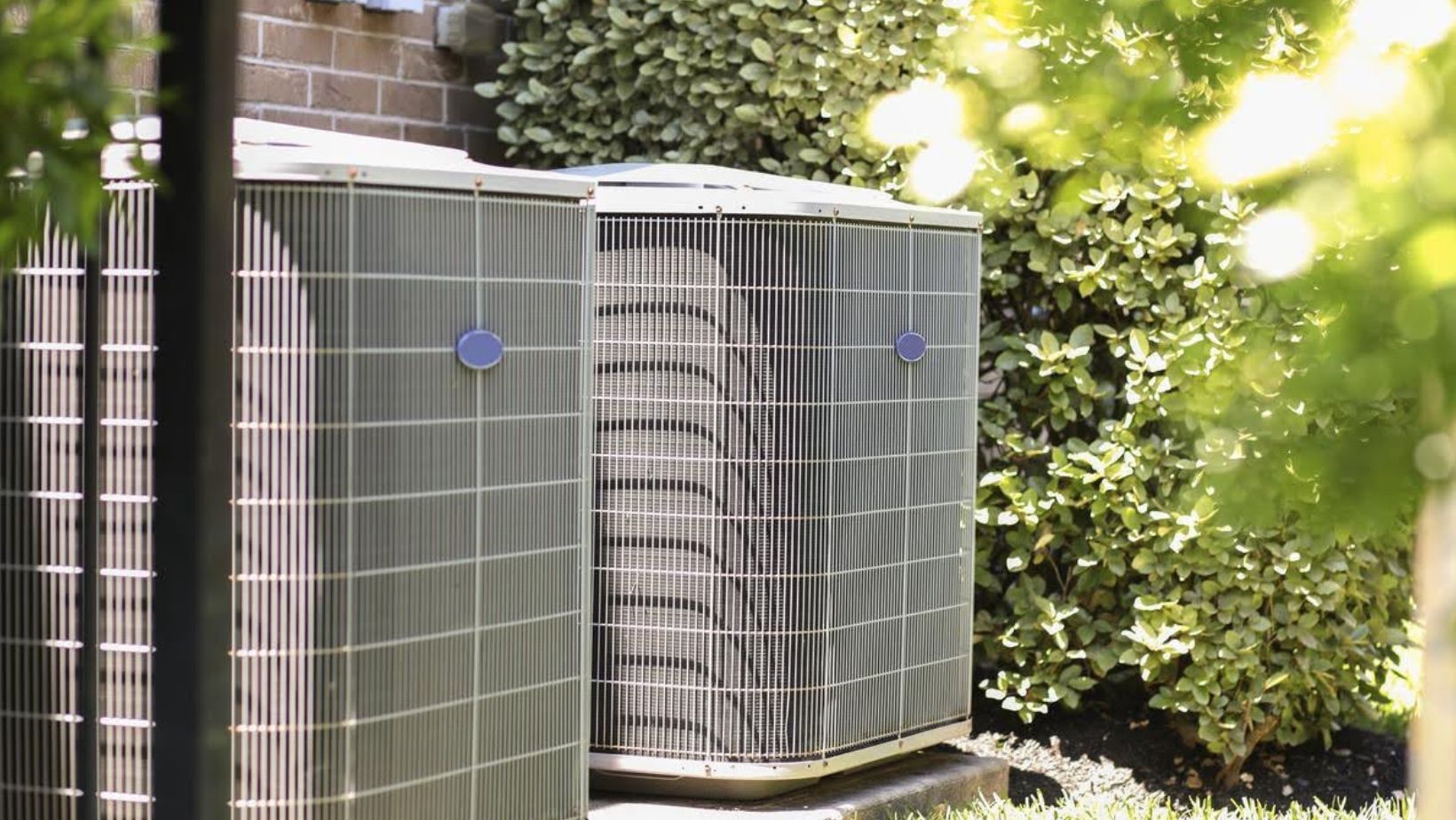
Plumbing failures never announce themselves at convenient times. A burst pipe or stubborn clog can flood floors and ruin belongings in minutes, turning an ordinary evening into chaos.
Most Common After-Hours Plumbing Emergencies
- Burst pipes caused by freezing temperatures in unheated spaces
- Severe drain blockages from grease buildup or invasive tree roots
- Failed sump pumps during heavy rain or rapid spring melt
- Leaking water heaters that suddenly dump dozens of gallons indoors
What Separates Panic Fixes from Proper Emergency Plumbing Repairs
True professionals follow a calm, systematic process even at 2 a.m. They locate the main shut-off immediately, contain active flooding with pumps or wet-vacs, then pressure-test lines to find every breach. Temporary patches almost never happen; repairs use code-approved materials and full replacement sections when corrosion or age has weakened the pipe.
Homeowners receive photos of the damage and a clear explanation of why the failure occurred, along with practical steps to prevent round two.
Immediate Steps Homeowners Should Take While Waiting for Help
- Turn off the main water valve (know its location ahead of time)
- Switch off the power to flooded areas at the breaker panel
- Move valuables and furniture away from standing water
- Place buckets or towels to limit the spread until the crew arrives
Rapid, competent response during these crises explains why certain companies become the only numbers families keep in their phones for plumbing disasters. The job finishes when water flows correctly again and the house returns to a safe, dry condition.
Getting Water Heater Installation Right the First Time
A failing water heater rarely gives much warning before showers turn frigid or laundry piles up. Replacing it at the wrong time or with the wrong unit leads to years of higher bills and frustrating performance.
Key Decisions That Affect Long-Term Performance
Size matters more than most people realize. An undersized tank leaves the household scrambling for hot water during morning routines, while an oversized one wastes energy heating water nobody uses. Experienced installers calculate demand based on the number of bathrooms, occupants, and appliances like dishwashers before recommending capacity.
They also consider fuel type options: natural gas models recover heat faster, electric units cost less upfront, and tankless systems deliver an endless supply at the expense of higher installation complexity.
Modern Options Worth Considering
- Traditional storage tanks in 40–80 gallon sizes for predictable demand
- Tankless (on-demand) units that heat water only when taps open
- Heat-pump hybrids that pull warmth from surrounding air for superior efficiency
- Solar-ready models that integrate with future renewable upgrades
Professional Water Heater Installation Experts Follow Strict Standards
Proper setup involves more than connecting pipes. Technicians install expansion tanks to handle pressure changes, seismic straps in earthquake zones, drip pans under units in finished spaces, and dielectric unions to prevent galvanic corrosion. Venting receives equal attention, especially with power-vent or direct-vent gas models that require precise flue routing.
Final steps include pressure testing every joint, setting the temperature to a safe 120 °F (49 °C), and flushing the tank to remove manufacturing debris. Homeowners notice the difference immediately through quieter operation, steady temperatures, and lower monthly costs that make the investment pay off quickly.
Choosing the right equipment and trusting skilled water heater installation experts removes the gamble from one of the home’s hardest-working appliances. Families enjoy reliable hot water morning and night without second-guessing their choice years down the road.
Final Thoughts: Building Home Heating Solutions That Truly Last
Comfort at home rarely happens by accident. It grows from choosing partners who treat every service call as the start of a long-term relationship rather than a one-off transaction. Homeowners who invest time finding skilled technicians willing to explain options, respect schedules, and stand behind their work rarely regret the effort.
At the end of the day, peace of mind proves priceless. A house that stays warm through deep freezes, delivers steady hot water for morning routines, and handles the occasional plumbing surprise without drama gives families one less thing to worry about. When residential HVAC services perform quietly in the background year after year, people finally notice how good reliable home heating solutions can feel.